The First Task That Slips Away: Managing DIY Projects on Busy Days
It's a Tuesday afternoon, and the kitchen table has become a makeshift office cluttered with a task list, a laptop, and a half-finished DIY project. Notifications from Slack and email keep popping up, pulling attention away from the list of tasks that seemed manageable just hours ago. The top three items on the list—installing a new light fixture, painting a small accent wall, and organizing the tool drawer—remain untouched, overshadowed by the constant barrage of distractions. As the clock ticks closer to the evening, the energy dips, and the focus needed for these beginner DIY tasks slips further away.
Each time a notification interrupts, it’s not just the moment lost; it’s the entire workflow that gets disrupted. The task list, meant to guide progress, becomes a source of anxiety as the unfinished items linger, never getting rewritten or prioritized. Without a clear calendar block or a focused work session, the easy task switching turns into a cycle of half-completed jobs. The mismatch between the cluttered work surface and the intended task surface highlights a fundamental issue: without a strategy to manage these interruptions, the DIY projects that could bring a sense of accomplishment simply fade into the background of daily life.
The Default Method: Task Lists and Interruptions
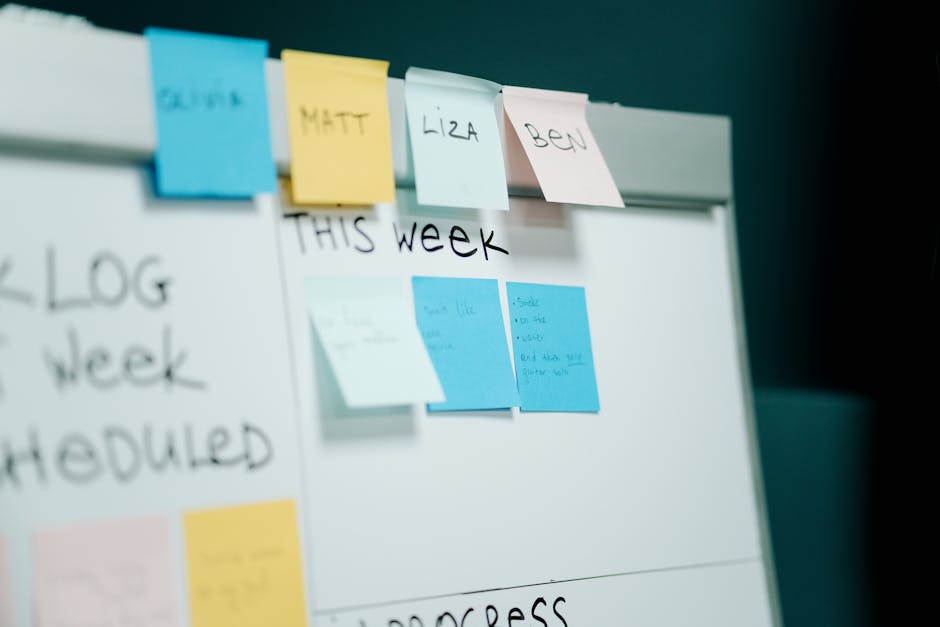
Most beginner DIYers kick off their day by jotting down a task list on a notepad or a notes app, often at their kitchen table, which doubles as a workspace. The list usually features a few ambitious projects: painting a room, assembling furniture, or organizing the garage. With coffee in hand and the morning sun filtering through the window, they feel motivated, ready to tackle these tasks. However, as the day progresses, that initial enthusiasm faces a barrage of interruptions—emails pinging, Slack notifications popping up, and family members needing attention.
At first, it seems reasonable to think they can manage both the DIY tasks and the constant stream of digital distractions. A quick glance at the task list might even prompt a sense of accomplishment, as they check off small items like "buy paint" or "clear workspace." Yet, as emails accumulate and notifications keep breaking focus, the energy required for the more involved tasks wanes. The clutter on the desk, with tools and materials scattered around, contrasts sharply with the neatness of the task list, which now feels more like a source of stress than a guide.
Without a structured approach, such as a dedicated calendar block for DIY work, the tendency to switch tasks becomes overwhelming. The top three tasks on the list remain untouched, never getting rewritten or prioritized. This mismatch between the physical workspace and the intended workflow leads to a frustrating realization: the longer the task list grows, the less likely it is that any of those projects will see completion. A practical move here is to block out a specific hour for focused work, setting aside distractions, and committing to at least one task from the list. However, without this strategy, the DIY aspirations fade into the background, overshadowed by the demands of daily life.
Where the Default Method Fails: The Afternoon Dip

By the time afternoon rolls around, the energy to tackle DIY tasks often dwindles. Sitting at the kitchen table, the task list stares back, filled with intentions and projects that now feel more like burdens. Notifications from Slack and email ping incessantly, each one pulling focus away from the tools laid out before me. The scattered materials—screwdrivers, paint cans, and a half-finished shelf—clutter the workspace, while my browser tab row is filled with open emails and chat threads, further complicating the effort to concentrate.
Without a calendar block specifically set for DIY work, the tendency to switch gears becomes overwhelming. I find myself checking the top three tasks on the list repeatedly, but they remain untouched, never prioritized or rewritten. This mismatch between my physical workspace and the intended workflow leads to frustration; the more I try to juggle tasks, the less I accomplish. A practical solution is to block out a focused work session, ideally an hour, where I can put my phone on silent and close unnecessary tabs. By doing this, I can commit to completing at least one task from my list, rather than letting distractions dictate my productivity. Yet, without this structured approach, the DIY projects linger, overshadowed by the demands of the day. A Workable Alternative: Focus Block Planning Setting aside a dedicated focus block for DIY tasks can significantly enhance productivity, especially during busy weekdays. For example, I often find myself at my kitchen table, surrounded by half-finished projects and a long task list glaring at me from my notepad. When I don’t schedule a specific hour for these tasks, distractions creep in—Slack notifications pinging, emails flashing across my screen, and the temptation to check social media pulling my attention away. The result? My top three tasks remain untouched, and the clutter on my desk mirrors the chaos in my mind.
To combat this, I’ve started blocking out a focused hour in my calendar specifically for DIY work. Before this session, I make a point to silence my phone and close all unnecessary browser tabs, including email and chat windows. This simple adjustment creates a clearer workspace, allowing me to concentrate on one task without the usual interruptions. For instance, if I decide to finally tackle that leaky faucet, I set a timer for 60 minutes, gather all necessary tools like a wrench and plumber's tape, and lay them out neatly. This structured approach not only reduces the friction caused by constant task switching but also ensures that I make tangible progress on my projects. However, without this dedicated focus block, the DIY tasks often slip through the cracks, overshadowed by my day-to-day responsibilities.
The Tradeoff: Time Investment vs. Task Completion
A slightly different version of this problem appears in Managing Energy Not Time, where the sequence changes but the hidden drag feels familiar.
When the clock strikes 2 PM, the afternoon slump often hits hard. My kitchen table, cluttered with half-finished DIY projects, serves as a constant reminder of the tasks that need attention. I’ve learned that investing a few minutes in planning my DIY sessions can feel like a delay, especially when distractions from Slack notifications or email alerts are just a click away. However, this upfront time spent organizing my thoughts and tools pays off significantly when I finally sit down to work.
Choosing to block out a focused hour means I have to resist the urge to jump into multiple tasks at once. Instead of flitting between projects—like starting to paint a shelf while waiting for glue to dry on another—I commit to one task. For example, if I decide to fix that leaky faucet, I first check my task list, ensuring I have the right tools ready: a wrench, plumber's tape, and a bucket to catch any drips. This preparation not only eliminates the need for constant task switching but also creates a smooth workflow. I can concentrate fully on the faucet without the nagging thought of unfinished projects lingering in the back of my mind.
While this approach sacrifices spontaneity, the tradeoff is worth it. By dedicating that hour to one task, I often find that I complete more than I would have if I had tried to juggle multiple projects. The satisfaction of ticking off a completed task from my list outweighs the momentary discomfort of not multitasking. Therefore, even though it may seem counterintuitive, investing time in focused planning leads to a more productive afternoon, allowing my DIY goals to finally take shape amidst the chaos of daily life.
When to Implement Focus Block Planning
If this pattern keeps repeating, Focus Without Burnout extends the idea without leaving the niche.
Weekday afternoons often bring an energy dip, making them the perfect time to implement focus block planning for DIY tasks. Picture yourself at the kitchen table, the sun streaming through the window, but your attention is split by Slack notifications pinging on your phone and emails flashing on your laptop screen. This constant interruption can derail even the simplest of tasks, like organizing your tools for a weekend project.
Instead of allowing distractions to dictate your workflow, set aside a specific hour for focused work. Start by blocking this time on your calendar, ensuring that no meetings or calls overlap. Open a fresh browser tab and pull up your task list, which should only contain the top three DIY tasks you aim to accomplish. This limits the mental clutter and keeps your attention anchored. As you glance at your list, prioritize the tasks based on urgency and complexity; for instance, if you need to paint a room, gather your supplies beforehand to avoid unnecessary task switching.
During this focused hour, resist the urge to check Slack or your email. Each time you switch tasks, you lose momentum, making it harder to dive back into the project. Instead, keep your phone out of sight and turn off notifications. This small adjustment can significantly enhance your ability to concentrate, allowing you to complete more in that single hour than you would in a scattered afternoon filled with interruptions. The tradeoff is clear: by sacrificing a bit of flexibility in your schedule, you gain the ability to tackle your DIY tasks with clarity and purpose.
When the task list stretches longer than the available time, the risk of distractions looms larger. Notifications from Slack or email can easily derail your focus, especially when working from a kitchen table surrounded by the day-to-day chaos. A practical adjustment is to create a dedicated focus block in your calendar, ideally during the mid-morning when energy levels are higher. This is the time to tackle the top three DIY tasks you've identified, ensuring that your workspace is clear and ready for action.
Before diving in, take a moment to check your task list and physically cross off completed items. This small act not only provides a sense of accomplishment but also helps you visualize what remains. By blocking out this focused hour and keeping your phone out of sight, you can maintain your momentum and effectively manage the distractions that often slip through the cracks. Ultimately, the part of beginner DIY home tasks that usually slips first on a crowded day is the focus needed to execute them, but with a little planning and a clear task list, you can reclaim that focus and make real progress.


