Decisions Under Pressure: Navigating DIY Home Tasks as a Beginner

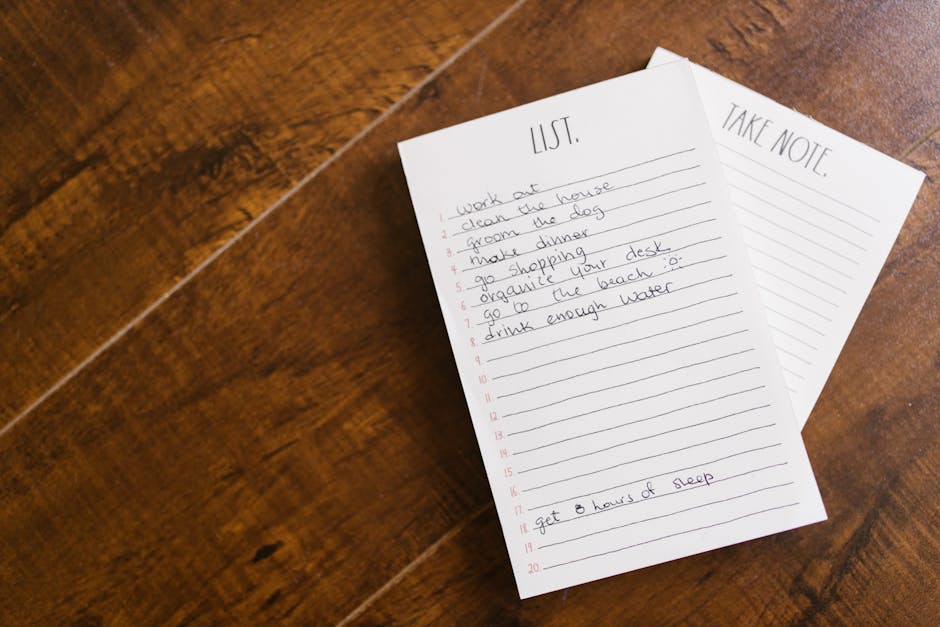
It's a Tuesday morning, and the clock on the wall reads 10:15 AM. The desk is cluttered with a task list, a half-finished coffee cup, and a browser window filled with tabs. Each tab represents a small DIY project: fixing a leaky faucet, painting a room, or organizing the garage. The intention to tackle these tasks is strong, yet the browser's notification sound pulls focus away. A reminder popup for an admin task steals the next ten minutes, and suddenly, the DIY plans feel distant. The simple act of switching gears has turned what seemed like a productive session into a struggle against distractions.
As the tabs remain open, the mind drifts from one task to another, leading to a fragmented workflow. The calendar block for a focus session is still there, but it’s easy to overlook it when small admin tasks crowd the real work. Each time a new notification pings, it’s a reminder of what’s left undone, further complicating the task at hand. Closing those unused tabs could be the first step to reclaiming focus, but that decision often gets lost in the shuffle of daily demands. The friction of task switching becomes evident, revealing how minor choices can derail even the simplest DIY ambitions.
The Pressure of Too Many Tabs
The browser tab row is a chaotic mix of unrelated tasks and reminders, stretching across the screen like a cluttered desk. A blinking notification for a scheduled meeting catches the eye, adding to the sense of urgency. In this moment, the DIY project planned for the afternoon feels like a distant memory, overshadowed by the pressing need to respond to an email or check off a small admin task. The task list sits open, but the mind is tangled in the web of distractions, making it hard to focus on the real work at hand.
During a quick desk planning reset, the worker glances at the calendar block designated for a focus session. It’s easy to overlook this time slot when small tasks demand attention. The decision to close unused tabs becomes crucial; this simple action can clear away the noise. Yet, the temptation to keep everything open lingers. Each ping from the browser serves as a reminder of what remains undone, further complicating the workflow. The friction of task switching is palpable, revealing how even the smallest choices can derail the intention to dive into DIY tasks.
The First Decision That Diverts Focus
During a brief desk planning reset, the remote worker notices a reminder popup flash at the bottom of the screen. It’s a simple notification about an email that needs a quick response, but the moment feels pressing. Instead of closing the unused tabs that clutter the browser, the decision to engage with the reminder feels tempting. The thought is that it will just take a minute, yet this choice quickly shifts the focus away from the DIY tasks planned for the afternoon.
As the worker types a reply, time slips away unnoticed. What started as a quick check spirals into a ten-minute distraction, with the original task list still open but untouched. Each ping from the browser, a siren call to check another tab, adds to the noise, complicating the workflow further. The initial decision to respond instead of closing tabs creates a ripple effect, illustrating how even minor choices can derail the intention to focus on more significant DIY projects. The calendar block for the focus session now feels like a missed opportunity, overshadowed by the small admin tasks that crowd out the real work.
This same friction shows up again in Focus Without Burnout, especially when the day tightens unexpectedly.
The Cost of Distraction: A Mini Case
During a typical weekday afternoon, the remote worker sits at a cluttered desk, staring at a task list filled with DIY home projects. The browser tab row is overflowing with open pages, each one a potential distraction. Just as they prepare to dive into a focused work session, a notification pops up from a social media app. The temptation to respond feels innocuous, yet this small decision quickly derails the planned productivity.
What starts as a quick reply spirals into ten minutes lost to scrolling and notifications. Each ping from the browser lures them further from the original task, which remains untouched. When they finally look back at their task list, frustration sets in as they realize the DIY project they intended to tackle is still waiting. The initial tradeoff—engaging with a distraction instead of closing tabs—now looms large, revealing how easily small choices can lead to larger delays. The calendar block they had set for focused work feels wasted, overshadowed by the time lost to minor admin tasks and social media checks. This moment illustrates a critical friction point: the cost of distraction accumulates, complicating the workflow and hindering completion of essential tasks. A Better Order for Task Management During a quick planning reset, the clutter of open tabs can easily derail your focus. Before diving into a DIY task, take a moment to close all unnecessary browser tabs. This simple action reduces distractions and helps maintain clarity on your primary objective. Each tab represents a potential interruption, and with a crowded browser, even a small reminder popup can steal ten minutes from your work session.
- Close all tabs unrelated to your DIY project to minimize distractions.
- Block out a specific time on your calendar for focused work sessions, ensuring you have dedicated periods for tackling tasks without interruptions.
- Alternatively, consider using a task management app to list essential DIY tasks, keeping your focus on what truly matters during your scheduled focus block.
By prioritizing the closure of irrelevant tabs and scheduling dedicated focus blocks, you create a more manageable workflow. This decision holds up better on busy days when small admin tasks threaten to crowd out your real work. With a clear task list in front of you, the path to completing your DIY project becomes much more straightforward, reducing the likelihood of getting sidetracked by minor distractions.
The Outcome of Consistent Choices
If this pattern keeps repeating, Managing Energy Not Time extends the idea without leaving the niche.
During a typical weekday, the browser tab row can become a minefield of distractions, especially when you’re trying to focus on a DIY task. By closing all tabs unrelated to your project, you not only reduce visual clutter but also create a clearer mental space. This simple action, taken before starting a focused work session, sets the stage for a productive calendar block. When you sit down to work, you can dive straight into your task list without the nagging pull of notifications or unrelated tabs.
Implementing this decision consistently leads to a noticeable shift in your workflow. As you complete your DIY tasks efficiently within the designated focus block, you’ll likely feel a sense of accomplishment wash over you. This feeling is amplified when you realize that the time spent on admin tasks has significantly decreased, allowing you to allocate more energy toward your projects. Instead of feeling overwhelmed by a growing list of small tasks, you can enjoy the satisfaction of ticking off bigger projects from your list.
With each focus block you successfully navigate, you build a habit that not only enhances your time management but also reduces stress. The next time you sit down for a work session, take a moment to check your calendar block and ensure it’s free of interruptions. This small routine change reinforces your commitment to completing your DIY tasks efficiently, paving the way for a more productive day ahead.
As you prepare for your next work session, take a moment to scan your browser tab row. If you notice multiple tabs open for small admin tasks, consider closing them before diving into your DIY projects. This simple act can prevent distractions, allowing you to maintain your focus on the task at hand. Remember, each reminder popup or stray notification can steal precious minutes from your productivity.
Before you start, set a calendar block specifically for your DIY work. This not only carves out dedicated time but also signals to others that you’re in a focused work session. By making these small decisions—like managing your tabs and scheduling your focus—you can significantly enhance your workflow habits and keep your DIY tasks on track.