Why Good Intentions Fail in Desk Planning for DIY Tasks
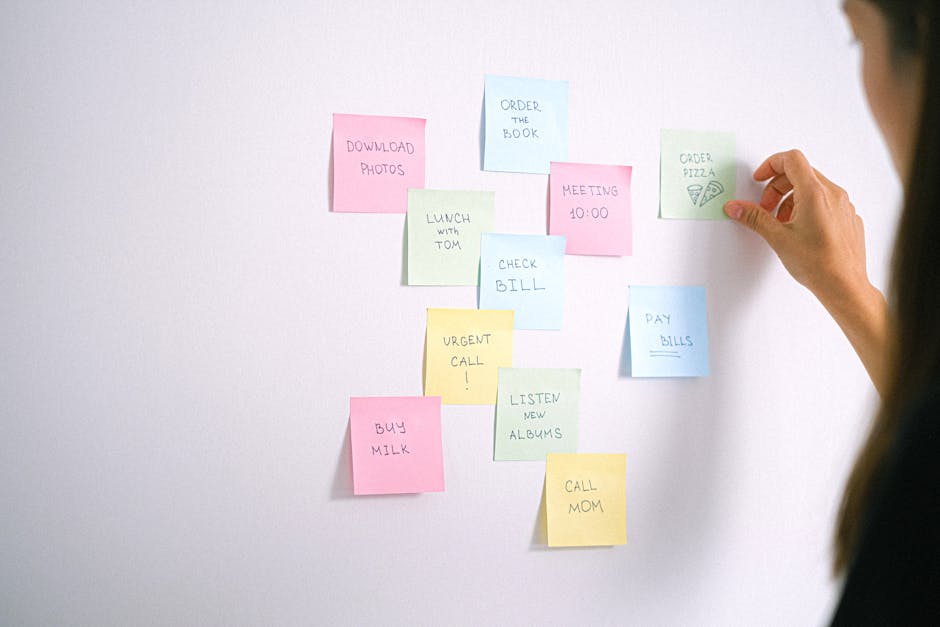
It's a Wednesday afternoon, and the desktop monitor edge is cluttered with sticky notes and a half-finished task list. The top three tasks—organizing the garage, painting the living room, and fixing the leaky faucet—remain unchanged from last week. Notifications from Slack and email keep flashing, pulling attention away from the DIY tasks that seemed so promising during the weekend planning session. Each ping is a reminder of the admin work waiting in the wings, but every time a notification pops up, focus drifts, and the urgency of those DIY intentions fades into the background.
As the clock ticks, the task list feels longer than the available time. The split attention between tools, tabs, and reminders creates a friction point that disrupts the workflow. Without a visible task list to prioritize the most pressing DIY jobs, it's easy to lose sight of what needs to be done first. The calendar blocks intended for focused work sessions become muddled with admin tasks, leading to a cycle of task-switching that leaves the DIY projects untouched. A simple adjustment, like moving those admin tasks to later in the day, could create the necessary space to finally tackle the home improvements that have lingered too long on the list.
The Task List That Grows Too Long
On a typical weekday, the cluttered surface of the desk reveals a chaotic mix of tools and reminders. A small notepad sits in the corner, its pages filled with hastily scribbled tasks that never seem to change. The top three items, meant to be prioritized, remain untouched and unaltered, creating a sense of confusion rather than clarity. Each time a Slack notification pings or an email alert flashes on the desktop monitor edge, the focus shifts, pulling attention away from the DIY projects waiting to be tackled.
With multiple tabs open, the screen becomes a battleground of distractions. The task list, initially organized during a focused planning session, now feels overwhelming. As the clock ticks, the intention to complete home improvements fades, lost in the shuffle of admin tasks that have crept into the calendar blocks. A quick glance reveals that the time allocated for DIY work is being consumed by emails and messages, leading to a frustrating cycle of task-switching.
To regain control, consider moving those admin tasks to later in the day. This simple adjustment allows for a clearer focus block dedicated solely to DIY tasks. By ensuring that the visible task list reflects only the most pressing projects, it becomes easier to commit to completing them without the nagging pull of unfinished business. A visible task list, pinned to the edge of the monitor, can serve as a constant reminder of what truly needs attention, helping to cut through the noise of daily distractions.
The First Sign of Slipping Focus
This same friction shows up again in Managing Energy Not Time, especially when the day tightens unexpectedly.
When the Slack notifications start pinging, it’s like a subtle alarm bell ringing at the edge of my attention. Each sound pulls my gaze from the carefully organized task list pinned to the edge of my desktop monitor. I can see the top three DIY tasks—installing shelves, painting the hallway, and fixing the leaky faucet—staring back at me, yet the urgency of incoming messages makes them feel distant. It’s an ordinary weekday moment, and I can feel my focus slipping away.
Email alerts compound the issue, flashing like neon signs demanding immediate attention. I glance back at my calendar block, which was supposed to be a focused session for DIY work, but now it feels like a chaotic jumble of tasks. The original intent of a dedicated focus block has been hijacked by a series of task-switching moments. I realize that I’ve missed checking off the simple task of moving those admin tasks to later in the day. Instead, they linger, like shadows, sapping my energy and making the calendar seem unmanageable.
To regain some semblance of control, I decide to close the email tab and silence Slack notifications for the next hour. This small action creates a clearer path back to my DIY tasks. I refocus on my visible task list, ensuring it reflects only what truly needs my attention right now. As I take a deep breath, I remind myself that those admin tasks can wait. The satisfaction of completing even one DIY task today can help reset my workflow habits for the week ahead.
Why Task Switching Becomes a Trap
A slightly different version of this problem appears in Focus Without Burnout, where the sequence changes but the hidden drag feels familiar.
My desk is cluttered with tools, a half-finished DIY project, and a glowing monitor that keeps pinging with new Slack messages. Each notification pulls my attention away from the task at hand, creating a cycle of task switching that feels overwhelming. As I glance at my visible task list, I notice that the top three tasks, which I intended to tackle today, remain unchecked and unchanged from yesterday. This stagnation feeds into my frustration, as the mismatch between my energy levels and the demands of these tasks creates a sense of cognitive overload.
Every time I switch gears, whether it’s responding to an email or checking a Slack message, I lose precious focus. The scattered tools on my desk serve as constant reminders of what needs to be done, yet they also contribute to my distraction. I realize that I need to take a moment to move those admin tasks to later in the day, allowing me to concentrate on my DIY work without interruption. By silencing notifications and clearing my workspace, I can create a more conducive environment for productivity. However, this hidden step of managing distractions is often overlooked, leading to good intentions faltering under the weight of an unmanageable task list.
A Clearer Order for Your Focus Block
During a typical weekday, I find myself staring at my desktop monitor, where my task list looms large, filled with a mix of DIY projects and admin tasks. The first three items on that list, which I had planned to tackle, never seem to change. I realize that my focus is often split between tools and notifications, such as Slack messages or emails, which disrupt my workflow. This constant task-switching leads to a frustrating cycle of unfinished projects, as I jump from one task to another without completing any.
To improve my productivity, I’ve started rearranging my task order. I now prioritize hands-on DIY tasks during my peak focus hours, typically in the morning when my energy is highest. I’ve learned to move administrative tasks to later in the day when my attention naturally wanes. This simple adjustment allows me to dedicate my best hours to the projects that require more creativity and concentration. By using a calendar block, I assign specific time slots for each task, ensuring that I have a clear structure for my day.
This shift in task order has made a noticeable difference. For instance, I now check my email only once mid-morning instead of letting it interrupt my DIY focus block. This way, I can dive into my projects without the constant pull of notifications. The result is a more manageable task list and a clearer path to completing my DIY goals, even when my day feels crowded with competing demands.
How the Adjustment Reshapes the Day Ahead
With my task list visible on the edge of my desktop monitor, I can see the top three tasks clearly laid out. This simple act of prioritizing helps me avoid feeling overwhelmed by the sheer volume of work. Instead of glancing at a long, chaotic list, I focus on those three key items. The calendar block method allows me to allocate specific time slots for each task, which means I can approach my DIY projects with a clearer sequence in mind.
During an ordinary weekday, I’ve noticed that when I resist the urge to check Slack or email notifications every few minutes, my engagement with the DIY tasks deepens. I can spend an entire focus block working on a project without the constant pull of distractions. This shift reduces the time I spend task-switching, which often leads to fragmented attention and half-finished projects. By moving admin tasks to later in the day, I preserve my mental energy for the hands-on work that truly requires it.
As the day progresses, I find that my next work session feels more manageable. Instead of dreading a long list of tasks, I can see a clear path ahead, allowing me to dive into my projects with purpose. This adjustment doesn’t just change the moment; it reshapes how I approach the entire day, making it easier to stay engaged and productive with my DIY goals.
As I wrap up my day, I realize that the friction points in my desk planning often stem from my tendency to let notifications dictate my focus. When I keep my task list visible on the edge of my desktop monitor, I can see at a glance what needs my attention next. This simple act of checking off completed tasks helps me stay grounded in my workflow, preventing the allure of distractions from derailing my progress.
Moving admin tasks to the end of my day is a practical adjustment that allows me to protect my most productive hours for hands-on DIY work. By doing this, I not only streamline my workflow but also ensure that my energy is directed toward the projects that matter most. Next time I sit down for a focus block, I’ll remind myself to check that task list first, making sure I’m prioritizing effectively and keeping my energy aligned with my DIY goals.


