Maximizing Productivity in a Cluttered Workspace: A Guide for Beginner DIY Tasks

As the clock inches toward noon, the kitchen table is cluttered with a half-finished DIY project and a task list that feels more like a burden than a guide. A browser tab sits open, displaying a tutorial video that promises to simplify the next steps, but the moment a reminder popup interrupts, ten minutes vanish into thin air. This small disruption highlights a common friction for beginners: the desk surface doesn’t align with the task sequence, making it easy to lose focus and momentum.
In the midst of this chaos, the calendar block sits neglected, a silent witness to the time management struggles unfolding. Without a clear plan to address the admin tasks that often creep in during work sessions, the workflow can easily derail. Recognizing the need for a focus block on the calendar can help reclaim those lost minutes, allowing for a more structured approach to DIY tasks. Each small adjustment, like shifting admin tasks to later in the day, can create a smoother path to completing projects, ultimately transforming a cluttered workspace into a more productive environment.
The Overlooked Setup: A Cluttered Desktop
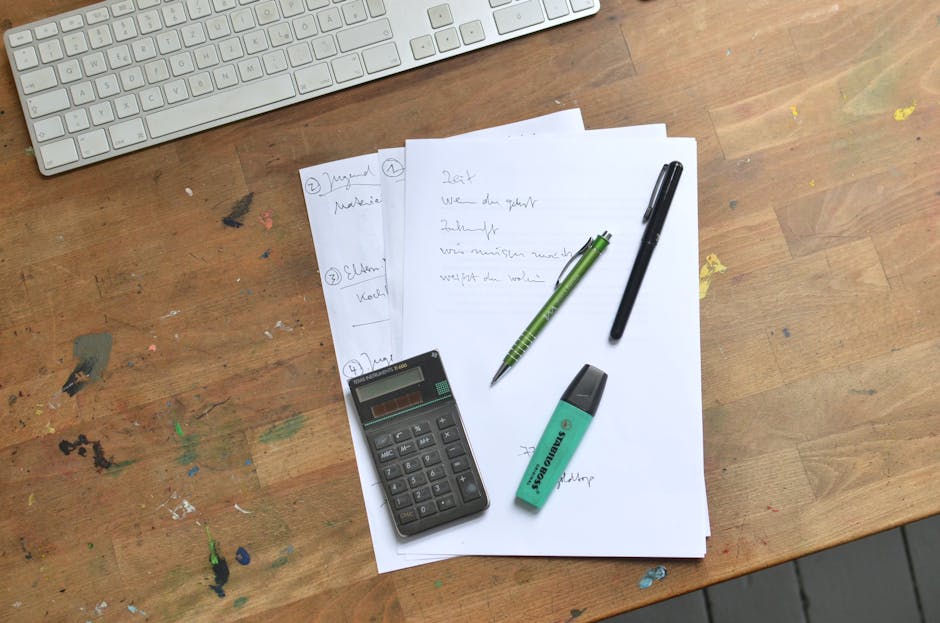
On a typical weekday afternoon, the kitchen table transforms into a makeshift workspace, cluttered with a half-finished DIY project. Paintbrushes, a bottle of glue, and crumpled notes compete for space alongside a task list that’s only half-checked. The calendar block, intended for time management, sits largely ignored, a stark reminder of the tasks that slip through the cracks amidst the chaos. Each time a browser tab is opened, the screen fills with distractions, making it easy to forget the original intention of the task at hand.
As the clock ticks toward the afternoon slump, the energy dips, and the simple task of assembling a shelf feels increasingly daunting. A reminder popup interrupts the flow, stealing precious minutes and derailing focus. This friction reveals a critical oversight: the desk setup doesn’t match the task sequence, leading to unnecessary task switching. Moving admin tasks to later in the day could streamline the workflow, allowing for a dedicated focus block on the calendar. By prioritizing the DIY project first, the cluttered space can be transformed into a more functional environment, where each tool and note serves a clear purpose, rather than contributing to the distraction.
Hidden Steps: What Gets Missed Before Starting
Before diving into a DIY project, the tendency to overlook crucial preparatory steps can lead to wasted time and frustration. For example, if you’re planning to assemble a bookshelf at your kitchen table, you might think you can grab tools as you go. However, this piecemeal approach often results in unnecessary interruptions. The hammer is in one drawer, the screws are in another, and the instructions are buried under a pile of papers. Each trip to retrieve a tool not only steals time but also disrupts your focus, making it harder to get back into the flow of the task.
Clearing the desk surface is another critical yet frequently neglected step. A cluttered workspace can lead to confusion about where to start. If your table is covered with leftover lunch dishes and scattered notes, finding a clear area to work becomes a task in itself. Instead, take a moment before starting to tidy up the space. Move aside any non-essential items and create a dedicated zone for your tools and materials. This adjustment not only sets the stage for a smoother workflow but also minimizes distractions, allowing you to concentrate on the task at hand.
One often overlooked step is checking your calendar for a focus block. If you notice a two-hour window in the afternoon, block it off for your DIY project. This small action can help you stay committed to finishing the task without interruptions. When the time comes, you can dive right into the project without the nagging feeling of other tasks lingering in the back of your mind.
The Notification Trap: A Common Bottleneck
A slightly different version of this problem appears in Managing Energy Not Time, where the sequence changes but the hidden drag feels familiar.
While working at the kitchen table, the task list is open on the laptop, and the plan is to tackle a simple DIY project. Just as you begin to gather your materials, a reminder popup flashes on the screen. It’s a notification about an upcoming appointment, and suddenly, ten minutes slip away as you switch gears to check your calendar and respond to an email. By the time you return to the task, the clutter on the table—a mix of tools, notebooks, and leftover lunch dishes—makes it hard to refocus. You glance at the task list, but the disruption has already caused a mental shift, and you struggle to remember where you left off.
This interruption not only steals time but also clogs the workflow. The scattered environment, filled with half-finished tasks and reminders, creates a barrier to diving back into the project. Instead of seamlessly transitioning from one task to another, you find yourself wasting precious moments deciding what to tackle next. To counter this, consider moving admin tasks to later in the day. By designating a specific focus block on your calendar for DIY activities, you can minimize the chances of distractions derailing your progress. When the next notification pops up, you might just find it easier to ignore it, knowing you have a dedicated time for those admin tasks later.
A Streamlined Sequence: Reordering Your Tasks
If this pattern keeps repeating, Focus Without Burnout extends the idea without leaving the niche.
At a cluttered kitchen table, the jumble of tools and papers can easily derail your focus. To tackle DIY tasks effectively, a clear sequence is essential. Start by clearing your workspace—remove any unrelated items that could distract you. Next, gather all necessary tools and materials within arm's reach. This minimizes the need to get up repeatedly, which can break your concentration.
- Clear workspace
- Gather tools
- Set a focus block on the calendar
- Begin the task
- Limit distractions by silencing notifications
Setting a dedicated focus block on your calendar is crucial; it signals to yourself and others that you are unavailable for interruptions. This way, when a reminder popup appears, you can confidently ignore it, knowing your admin tasks are scheduled for later. By following this revised order, you transform a chaotic setup into a more manageable workflow, allowing you to dive into your DIY project without unnecessary friction.
Check This Before You Dive In: A Quick Contrast
Before you start your DIY task, take a moment to assess your workspace. A cluttered kitchen table filled with stray tools and papers can lead to frustration and lost focus. Instead, ask yourself: Is my workspace clear? Are my tools gathered? Have I set my focus block? If you can’t answer yes to all three, you might find yourself losing precious time to distractions, like a reminder popup stealing the next ten minutes of your work session.
Contrast this with a prepared setup. When your desk is organized and your tools are within reach, you can dive into your task with clarity. A simple checklist can help: 1. Clear the workspace of any unrelated items. 2. Gather all necessary tools, like your drill or paintbrush, right in front of you. 3. Block out a focus period on your calendar, signaling to yourself that it’s time to concentrate. This small shift in preparation can dramatically enhance your efficiency, allowing you to tackle your DIY project without the constant interruptions that come from a disorganized environment.
What Changes When You Clean Up Your Sequence?
Switching between tasks at a cluttered kitchen table can feel chaotic, especially when your browser tab row is filled with distractions. When you take a moment to clear your workspace, the difference is immediate. Removing unrelated items, like last week’s grocery list or that half-drunk coffee cup, opens up physical space and mental clarity. This simple act not only reduces visual clutter but also minimizes the cognitive load of navigating around obstacles.
With a focus block set on your calendar, you can allocate uninterrupted time to your DIY tasks. For instance, if you’re about to assemble a shelf, gather your tools—screwdriver, screws, and the instruction manual—right next to you. This preparation means that when you sit down to work, you won’t waste precious minutes searching for a tool or getting sidetracked by a reminder popup, which can easily steal ten minutes of your focus.
After reorganizing your sequence, you’ll likely notice a smoother workflow. Tasks flow more naturally when you’ve set the stage correctly. Instead of feeling frustrated by constant interruptions, you can engage with your project more deeply. The time saved from fewer distractions translates into a more productive work session, allowing you to complete your DIY tasks efficiently and with less stress. Ultimately, a clean sequence enhances your ability to focus, making even the simplest projects feel manageable.
Before diving into your next DIY project, take a moment to check your task list against your calendar. If you notice a focus block scheduled for the afternoon, consider moving any admin tasks to later in the day. This simple adjustment can help you maintain momentum during your peak energy hours, especially if you’re working from a kitchen table where distractions are plentiful.
Also, keep an eye on your browser tab row; those reminders can disrupt your flow. By closing unnecessary tabs before starting a task, you reduce the chances of getting sidetracked. This small change in your setup can make a significant difference in how smoothly your DIY tasks unfold. The next time you sit down to work, ensure your desk surface aligns with your task sequence, and you’ll likely find that your productivity increases significantly.