Why Workflow Habits Often Works Better With a Smaller Setup
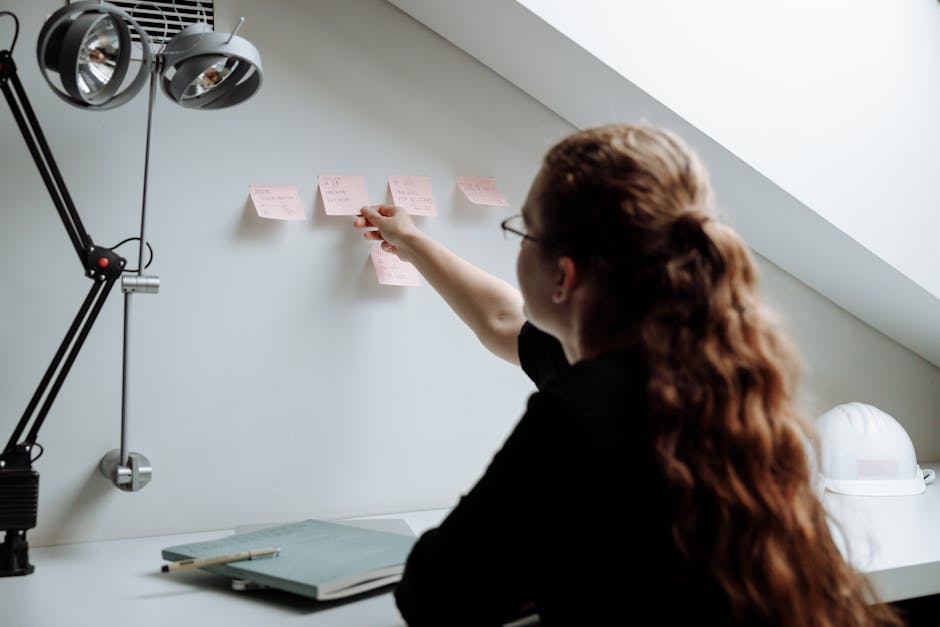
It's a Wednesday afternoon, and the kitchen table is cluttered with a task notebook, a laptop, and a half-finished DIY project that’s been lingering for days. As the clock ticks closer to the end of the workday, the task list seems to grow longer, with reminders popping up on the screen, each one stealing precious minutes. The notifications are relentless, pulling attention away from the task at hand and making it difficult to settle into a focused work session. Just as the plan to tackle a simple home repair starts to form, the calendar gets checked, revealing a packed schedule that feels like a barrier to progress.
In this chaotic moment, the friction lies in the split attention between the tools, tabs, and reminders that demand immediate response. Opening the working document feels like a secondary task, overshadowed by the need to mute notifications and manage the flow of distractions. Each time a reminder pops up, it disrupts the workflow, leading to task switching that drains motivation and focus. The real challenge for beginners is recognizing these hidden steps that complicate what should be straightforward DIY tasks, making it harder to dive into the work without getting sidetracked.
The Setup: When DIY Meets Daily Life
The kitchen table is a battleground of tools, with a half-opened task list lying beneath a clutter of paint cans and screwdrivers. A laptop sits nearby, its screen filled with multiple tabs—each one demanding attention for different projects. Just as the plan to tackle a simple shelf installation begins to form, a reminder notification pops up, stealing away precious minutes and forcing a quick mental shift to another task. This chaotic setup often complicates what should be straightforward DIY tasks.
As the calendar gets checked, it reveals a packed schedule that feels more like a barrier than a guide. The act of opening the working document becomes secondary, overshadowed by the need to mute notifications and refocus on the task at hand. Each reminder pulls attention away, leading to task switching that drains motivation. For beginners, recognizing these hidden steps is crucial; they can easily overlook the importance of setting up a focused work session first. A simple adjustment—muting notifications before diving into the task—can create a clearer path to productivity, transforming the cluttered kitchen table into a workspace ready for action.
The Steps That Get Overlooked
Before diving into a DIY project at the kitchen table, the first instinct might be to check the calendar for reminders. This seemingly innocuous action can quickly derail focus. When the calendar reveals a reminder for an upcoming meeting, it prompts a mental shift that distracts from the task at hand. In a split second, attention is diverted, and the initial intention to install a shelf is overshadowed by the need to prepare for the meeting.
- Gather all necessary tools—drill, screws, and level—before starting.
- Mute notifications on your phone to prevent distractions during work.
- Check the task list to prioritize what needs to be done first.
After checking the calendar, the next step often overlooked is gathering all the tools needed for the task. Without this preparation, the project can stall as you search for a missing screwdriver or level. This can extend the time needed to complete even simple tasks. A focused work session should start with a clear plan: set a calendar block for uninterrupted time, mute notifications, and gather tools to create a seamless workflow. By addressing these overlooked steps, beginners can significantly reduce interruptions and enhance their productivity.
If this pattern keeps repeating, Focus Without Burnout extends the idea without leaving the niche.
The Friction Point: Attention Split
During a typical weekday at the kitchen table, the task list sprawls across the surface, dotted with half-finished projects and reminders. As you prepare to tackle the next DIY task, a reminder popup flashes on your phone, pulling your gaze away from the task at hand. That brief distraction can steal ten minutes, derailing the focus you need to install that shelf or fix the leaky faucet.
Before diving into the project, the calendar gets checked multiple times. Each glance serves as a mental reset, but it also adds to the clutter of thoughts swirling in your mind. You might think, "Did I block off enough time for this?" or "What else is on my schedule?" This back-and-forth can create a bottleneck, where the act of planning overshadows the actual doing. Instead of moving seamlessly into the task, you find yourself stuck in a loop of desk planning.
To smooth out this process, consider muting notifications before you even open the calendar. Make it a habit to set a focus block on your calendar for DIY tasks, ensuring that the time is dedicated solely to the work at hand. This small adjustment can help clear the mental clutter, allowing you to gather tools—like the drill and screws—without the constant interruption of reminders. By addressing these friction points, you can shift from planning to action more efficiently, ultimately reducing the time it takes to complete even simple tasks.
A More Effective Sequence: Focus First, Tools Second
At the kitchen table, the task list sprawls across a notepad, each item a potential distraction. Before diving into DIY tasks, take a moment to set a focus block on your calendar. This simple act not only carves out dedicated time but also mentally prepares you for the work ahead. For instance, if you plan to install a new shelf, block out an hour specifically for that task. This makes it easier to transition from planning to action.
Next, mute notifications on your phone and computer. A reminder popup can easily steal the next ten minutes, pulling your attention away from the task at hand. With notifications silenced, you can gather your tools—such as the drill and screws—without the constant interruption of pings and alerts. This adjustment reduces the friction caused by task switching, allowing you to focus solely on the DIY project.
In this revised order of actions, focus comes first, followed by gathering tools. By placing your focus block on the calendar before opening your task list, you create a smoother workflow. This sequence not only helps in maintaining attention but also minimizes the split focus that often comes with juggling multiple reminders and tasks. When you prioritize focus, the actual doing becomes less daunting, making it easier to tackle even the simplest DIY tasks.
What Changes with a Streamlined Approach?
A slightly different version of this problem appears in Managing Energy Not Time, where the sequence changes but the hidden drag feels familiar.
When you set aside a specific time block on your calendar for DIY tasks, the difference is palpable. Instead of diving into the task list with distractions in tow, you can focus solely on the work at hand. For example, during a typical weekday at your kitchen table, you might find yourself glancing at your phone or checking your email, which can easily derail your concentration. By blocking out a dedicated hour on your calendar, you create a mental commitment to that time, reducing the temptation to switch tasks.
With notifications muted and your tools—like the hammer and nails—within reach, you can dive into your project with fewer interruptions. This approach not only speeds up the completion of tasks but also fosters a sense of accomplishment. Each small victory, whether it’s hanging a picture frame or assembling a shelf, builds momentum for future projects. The satisfaction of ticking off completed tasks from your list reinforces your motivation, making the next DIY endeavor feel more achievable.
Additionally, by prioritizing your focus block before opening your task list, you eliminate the friction caused by scattered attention. Instead of checking your calendar and then your project notes, streamline the sequence: first, check the calendar for your focus block, then open your task list. This simple adjustment can transform a lengthy task into a more manageable one, allowing you to maintain a clear workflow and accomplish more in less time.
When the task list stretches longer than the available time, it’s easy to feel overwhelmed, especially at a kitchen table filled with tools and reminders. A quick glance at your calendar can easily lead to distractions, like a reminder popup that steals the next ten minutes. Keeping your attention divided between various tabs and tools not only disrupts your workflow but also makes it harder to complete even simple tasks.
To mitigate this friction, prioritize your focus block by checking your calendar first and setting aside a dedicated time for DIY work. This small adjustment—muting notifications and committing to a single task for that block—can significantly enhance your workflow. By anchoring your attention to the task at hand, you’ll find that even the most daunting projects become more manageable, allowing you to tackle them with renewed focus and efficiency.


