Making DIY Tasks Workable Between Focus Blocks

On a typical weekday, the desk is cluttered with open tabs and a task notebook filled with half-finished lists. As the clock inches closer to the next focus block, the remote worker glances at the calendar, noting the admin tasks scheduled for later. This constant task-switching creates friction, making it hard to dive into the DIY home tasks that could easily fit into the gaps between work sessions.
Each time the calendar is checked before opening the working document, a small decision is made that impacts productivity. The task list sits neglected, while the email inbox becomes a vortex of distractions. When the workspace and task surface don’t align, it’s easy to lose sight of the DIY tasks that need doing. Moving those administrative tasks to a later time could free up mental space, allowing for a smoother transition into hands-on projects during those brief moments of focus. Recognizing this friction is the first step toward making small adjustments that enhance workflow habits.
The Overwhelmed Work Surface
Amidst a cluttered desk, a remote worker stares at a chaotic array of open tabs on the laptop screen, each one a reminder of unfinished tasks. The task list, pinned to the side of the monitor, remains visible yet untouched, its contents overshadowed by the urgent pings of incoming emails. It’s an ordinary weekday moment, and as the clock ticks down to the next focus block, the pressure mounts. The calendar is checked, revealing a slew of admin tasks scheduled for later, but the DIY project—a simple shelf assembly—sits neglected in the corner of the room, waiting for attention.
This constant cycle of task-switching creates a friction that stifles productivity. Each time the calendar is consulted before diving into the working document, the DIY project feels increasingly out of reach. The worker’s mind races through the clutter, struggling to prioritize. A simple adjustment, like moving those administrative tasks to a less urgent time slot, could free up mental bandwidth, allowing for a smoother transition into hands-on projects. Recognizing this friction point is crucial; it highlights how the mismatched work surface and task surface can derail even the simplest DIY efforts. What Gets Prioritized First? In the midst of a busy weekday, the worker sits at a cluttered desk, glancing at the task notebook filled with notes for a DIY shelf assembly project. The calendar notification pops up, reminding them of emails that need urgent responses. The temptation to check emails first feels overwhelming, especially with a long list of requests waiting. The choice to dive into the inbox instead of starting the DIY task immediately shifts focus, setting off a chain reaction of distractions.
Once the email application opens, the initial focus block is quickly consumed by administrative tasks. Notifications ping, and each new email pulls attention away from the shelf assembly. This decision, made under pressure, highlights a common friction point: the mismatch between the intended task and the actual work surface. Each minute spent on emails feels like a missed opportunity to make tangible progress on the shelf, leaving the worker feeling frustrated and unproductive.
To counteract this, a simple adjustment could be made: check the task list before opening emails. By prioritizing the DIY project first, even if it means setting a timer for just 15 minutes, the worker can create a clearer boundary between administrative duties and hands-on tasks. This small shift in decision-making could lead to a more effective use of focus blocks, allowing for meaningful progress on the DIY tasks that often get sidelined.
The Cost of Task Switching
This same friction shows up again in Managing Energy Not Time, especially when the day tightens unexpectedly.
During a typical weekday, the remote worker glances at the task notebook resting on their desk, where a DIY shelf assembly project waits patiently. Instead of diving into the project, the worker opens their email app, thinking it will only take a moment. Each notification draws attention away from the intended task, creating a cluttered work surface that mirrors the chaos in their mind.
This choice to prioritize emails over DIY tasks leads to a significant tradeoff. The time spent managing an overflowing inbox directly reduces the time available for hands-on work. As minutes tick by, the worker feels the weight of unfinished tasks pressing down, increasing stress levels. The longer the email thread grows, the more overwhelming the list of incomplete projects becomes. This cycle of task-switching not only disrupts focus but also diminishes motivation, making it harder to return to the DIY project later.
To mitigate this friction, a practical adjustment can be made: before opening the email app, the worker could quickly check their task list and set a timer for 15 minutes dedicated solely to the DIY project. This small shift in routine helps maintain a clearer boundary between administrative duties and creative tasks, allowing for a more productive focus block. By making this minor change, the worker can gradually chip away at the shelf assembly, preventing the stress of an ever-growing to-do list.
A More Effective Decision Rule
A slightly different version of this problem appears in Focus Without Burnout, where the sequence changes but the hidden drag feels familiar.
During the busy hours of an ordinary weekday, a remote worker often finds themselves staring at a cluttered task notebook filled with both DIY projects and administrative duties. The temptation to check emails before diving into a hands-on task can lead to a frustrating cycle of task-switching. Instead of opening the email app first, consider shifting admin tasks to later in the day. This way, the initial focus can remain on completing a DIY task, such as assembling a shelf or painting a room, without the distraction of notifications.
To implement this change effectively, set a timer for 15 minutes dedicated solely to the DIY project before checking emails. This small adjustment creates a focused space where the worker can engage with their project without interruptions. When the timer rings, they can then transition to emails, knowing they have made progress on their DIY task. This decision rule not only enhances workflow but also reduces the likelihood of feeling overwhelmed by a growing to-do list. By prioritizing hands-on work, the worker can maintain a clearer boundary between administrative tasks and creative endeavors, making their workday feel more manageable.
What Runs More Smoothly After That
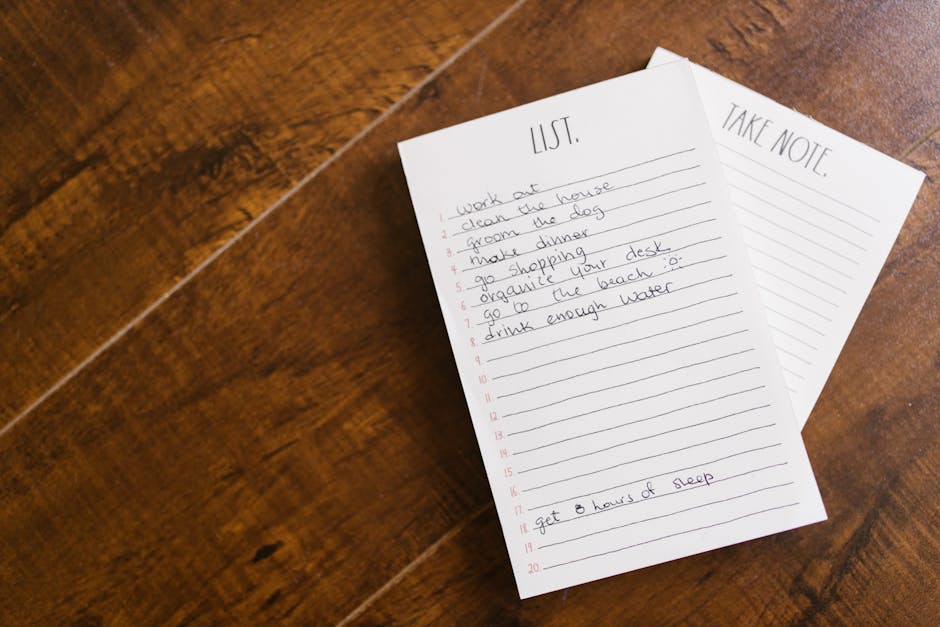
When the task list is clearly visible on your desk, the chaos of task switching begins to fade. Instead of jumping from an open email tab back to a DIY project, consider placing your task notebook directly next to your laptop. This simple adjustment allows you to glance at your immediate priorities without the distraction of notifications. During a busy weekday, when focus blocks are often interrupted, having that physical reminder helps you stay anchored to your current project.
For instance, if the goal is to finish assembling a shelf, keep your task list open beside your work surface. When you check your calendar, instead of getting sidetracked by emails, you can quickly assess your next steps for the shelf assembly. This creates a smoother workflow where the DIY task remains front and center. After completing the assembly, you can then shift your attention to emails, knowing you’ve made tangible progress. This sequence not only enhances your focus but also minimizes the friction of switching gears, allowing for a more productive work session overall.
When the calendar gets checked before opening the working document, it’s easy to lose focus. This is where the friction lies: the work surface and task surface don’t align, causing a disconnect. By keeping a visible task list open beside your laptop, you can quickly remind yourself of what needs to be tackled next, ensuring that your DIY tasks remain prioritized.
As you transition between focus blocks, make it a habit to first glance at your task list before checking your calendar. This small shift can help you resist the urge to switch gears prematurely. The next time you sit down to work, take a moment to place your task notebook within arm’s reach. This simple adjustment will anchor your attention and maintain momentum, allowing you to make steady progress on your DIY projects amidst a busy workday.