Navigating Distractions: Streamlining Beginner DIY Home Tasks
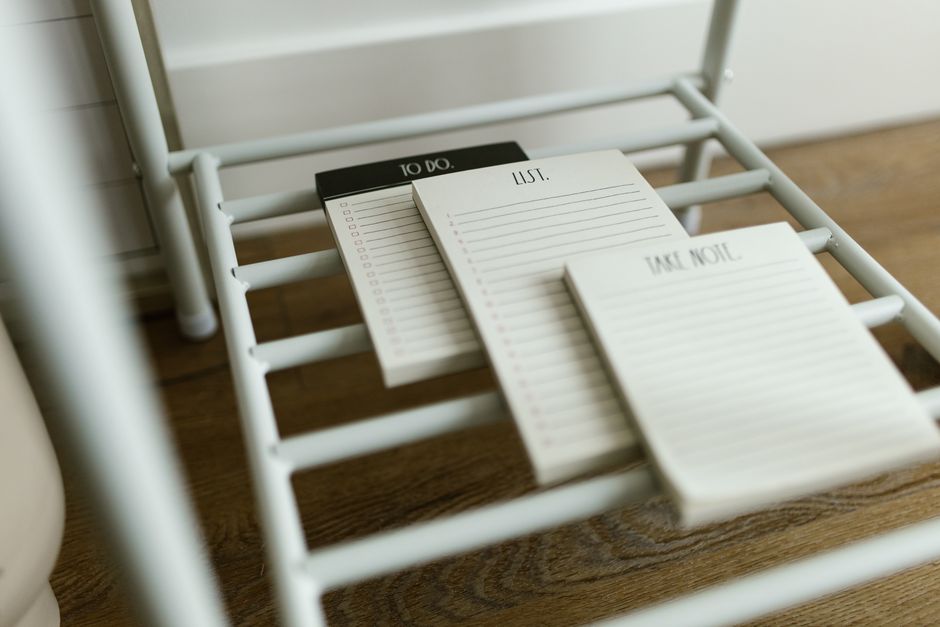
It's a typical Wednesday afternoon, and the kitchen table is cluttered with a task notebook, a laptop, and an assortment of tools for a DIY project that has been on the list for weeks. Each time a new notification appears, it feels easier to switch gears, but that leads to a fragmented workflow where nothing gets completed.
During this short planning reset, the calendar block for focused work time has been overlooked. Instead of dedicating a solid hour to the DIY project, the mind wanders to emails and reminders, creating a cycle of task switching that disrupts momentum. The task list grows longer while actual progress stalls, and the tools that were meant to streamline the process now feel more like obstacles. Recognizing this friction point is crucial; without a clear plan to manage distractions, the afternoon dip in energy can turn into a complete halt in productivity.
The Default Method: Juggling Tasks and Tools
With the kitchen table still cluttered from the morning's work session, the laptop screen flickers with multiple tabs open: a DIY tutorial, an email inbox, and a Slack channel buzzing with notifications. Each alert pulls attention away from the task at hand, making it tempting to switch gears. This juggling act seems reasonable at first—after all, managing emails and checking in on messages feels productive. However, this approach often leads to fragmented focus, where the DIY project remains untouched while the task list grows longer.
As the afternoon dip in energy approaches, the calendar block for focused work time sits unnoticed. This constant task switching not only disrupts momentum but also creates a cycle where the tools meant to aid in productivity become obstacles. To regain control, it’s essential to prioritize the DIY tasks by moving admin tasks to later in the day, allowing for a dedicated focus block that can streamline the workflow and minimize distractions.
Where It All Falls Apart: The Attention Split
Notifications from Slack and email pinging on your phone can quickly turn a focused DIY session into a chaotic scramble. As you sit at the kitchen table, the task notebook lies open, but your attention is split. You glance at the screen, where a tutorial on how to install new shelves competes with a growing list of unread messages. Each alert feels urgent, pulling you away from the tools laid out nearby, like the drill and screws waiting patiently on the table.
This clutter of open tabs creates decision fatigue. You might think you’re being productive by checking in on messages, but each distraction delays progress on the DIY project. The calendar block for focused work sits neglected, a reminder of what you planned to accomplish during this time. Instead of diving into the task at hand, you find yourself scrolling through emails, losing sight of the DIY objectives.
To combat this, consider a quick desk planning session. Move admin tasks to later in the day when energy dips, allowing for a dedicated focus block in the morning. This adjustment helps streamline workflow and minimizes distractions. As you close unnecessary tabs and silence notifications, you create a clearer path to the task at hand. The physical act of organizing your workspace can also reinforce your commitment to the DIY project, transforming it from a fragmented effort into a focused session that respects your time and energy.
A More Workable Alternative: Focused Planning
A slightly different version of this problem appears in Managing Energy Not Time, where the sequence changes but the hidden drag feels familiar.
Amid the clutter of a kitchen table workspace, a single task list can transform how you approach DIY projects. Instead of juggling multiple tabs and notifications, consolidate your focus by using a dedicated calendar block specifically for DIY tasks. This means, for instance, that instead of leaving your email open while you try to paint a room, you set aside a two-hour block on your calendar labeled "DIY Project: Living Room Paint." This clear demarcation helps you resist the urge to check Slack or respond to emails, which can otherwise fragment your attention.
During a quick planning reset, take a moment to check your task list and prioritize what needs to be tackled first. Instead, move those admin tasks to later in the day when your energy typically dips. By shifting your focus to the DIY project during peak energy hours, you create a more productive workflow. As you close unnecessary tabs and silence notifications, you not only clear your digital space but also reinforce your commitment to the task at hand. This streamlined approach minimizes distractions and enhances your ability to concentrate on the DIY work, allowing for a more satisfying and effective session. Understanding the Tradeoff: Less Flexibility, More Focus During a quick planning reset at your kitchen table, you glance at your task notebook filled with DIY projects. The allure of spontaneous task switching can be tempting, especially when a new idea strikes. However, adopting a more structured approach often means resisting the urge to jump between tasks, which can fragment your attention. When you decide to focus on painting the living room, for instance, you might feel the pull to check the email tab that’s been blinking at you, but doing so can lead to wasted time and energy.
- Set a calendar block specifically for your DIY project, like "Living Room Paint" from 1 PM to 3 PM.
- Close all unrelated tabs and silence notifications to avoid distractions.
- Prioritize your task list by placing lower-energy admin tasks later in the day.
This focused approach may seem rigid, but it allows for a more productive use of your time, especially during those low-energy periods. The tradeoff here is that while you give up some flexibility, you gain a more satisfying and effective workflow, especially when interruptions are minimized during your peak energy hours.
A Quick Checkpoint: What to Verify Before Task Switching
If this pattern keeps repeating, Focus Without Burnout extends the idea without leaving the niche.
Before diving into a DIY project, take a moment to ensure everything you need is within arm's reach. For instance, if you’re about to paint a room, gather your brushes, tape, and drop cloths on your kitchen table. This setup not only saves time but also reduces the temptation to switch tasks when you realize something is missing.
Next, check your phone or computer to mute all notifications. Slack messages or email alerts can easily pull your focus away from the task at hand, especially during those critical work sessions. As you sit down with your task notebook, make a quick note of what tools are ready and confirm that your calendar block is set for uninterrupted work. This simple act of preparation can create a smoother workflow, allowing you to stay engaged with your project without the constant pull of distractions. By confirming these elements before you begin, you can significantly enhance your focus and productivity.
When That Alternative Fits Better
During a typical weekday afternoon, the kitchen table becomes a makeshift command center for your DIY tasks. As you glance at your task notebook, the list of projects looms large, but the energy is waning. The phone buzzes with notifications from Slack, and the email tab is wide open, tempting you to switch gears. This is the moment when the alternative approach of moving admin tasks to later in the day can prove invaluable.
Instead of diving into the next DIY project, take a moment to assess your current energy levels. If you find yourself distracted by incoming messages, consider blocking off a focus block on your calendar specifically for DIY work. This allows you to set a clear boundary around your time, ensuring that during this block, only the tools and tasks at hand have your attention. Place your phone face down, or better yet, in another room.
As you prepare to tackle your DIY task, check your list again. If you notice that the task requires more concentration than you can muster right now, it’s perfectly acceptable to pivot. Perhaps today is better suited for organizing your tools or gathering materials rather than starting a complex project. This adjustment not only preserves your energy but also prevents the frustration that comes from task switching mid-session. Recognizing when to shift your focus can lead to more productive outcomes, even if it means stepping back momentarily from the original plan.
As you sit at your kitchen table, the clutter of tools and reminders can easily become overwhelming. Each ping from Slack or email pulls your focus from the task at hand, causing frustration and inefficiency. Instead of diving into a DIY project that requires deep concentration, consider shifting your energy to simpler tasks that align better with your current focus level.
Before your afternoon dip sets in, take a moment to check your task list. Identify one small, manageable task that you can accomplish with minimal distractions. This could be organizing your tools or prepping materials for a future project. By making this adjustment, you not only maintain momentum but also set yourself up for success when you’re ready to tackle more complex tasks. Remember, managing your focus and energy effectively is key to navigating the friction points of beginner DIY home tasks.


