Streamlining Your DIY Tasks Between Focus Blocks

On an ordinary weekday, a remote worker sits at their cluttered desk, surrounded by open tabs on their laptop and a task notebook filled with half-finished notes. Slack notifications ping incessantly, pulling attention away from the DIY home tasks they had planned to tackle during this focus block. They glance at their task list, but the top three tasks remain unchanged from yesterday, a silent testament to how easily distractions can derail intentions.
As they prepare to dive into their next work session, the worker realizes that the lack of a clear, updated focus is a significant friction point. Instead of rewriting the top three tasks to reflect the current priorities, they find themselves toggling between tools and reminders, losing precious minutes to task switching. This missed step creates a ripple effect, making it harder to engage fully with the DIY tasks at hand. A simple adjustment, like muting notifications and setting a clear agenda for the session, could streamline their workflow and enhance productivity.
The Default Method: Juggling Tasks and Notifications
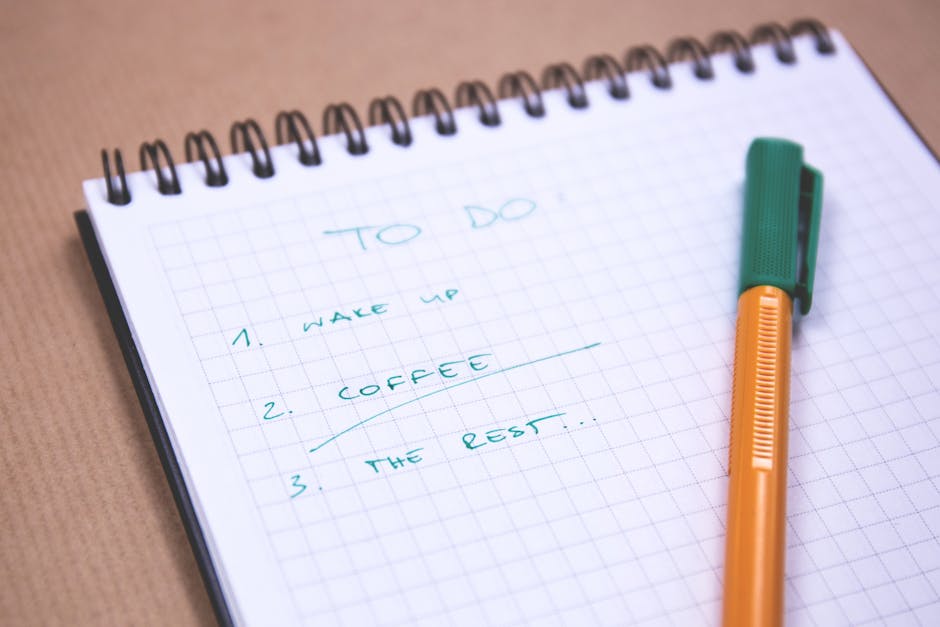
During a typical weekday, a remote worker sits at their desk, surrounded by open tabs on their laptop, each representing a DIY task they intend to tackle. They glance at their task notebook, where the top three tasks remain unchanged from yesterday, a silent indicator of how easily distractions can derail intentions. Slack and email notifications ping incessantly, pulling their attention away from the DIY projects they had planned to focus on during this block of time. The initial setup seems reasonable; after all, having multiple tabs open is meant to streamline their workflow. However, the reality is that this method fragments their attention, making it challenging to dive deeply into any single task.
As notifications continue to disrupt their focus, the worker toggles between tools and reminders, losing precious minutes to task switching. Instead of rewriting the top three tasks to reflect current priorities, they find themselves caught in a loop of interruptions. This missed step creates confusion, as the tasks that should be prioritized are left stagnant on the page. To counteract this, a simple yet effective move would be to mute notifications and take a moment to rewrite the top three tasks before the next work session begins. This adjustment could help clarify focus and make the upcoming DIY tasks feel more manageable, reducing the friction that comes from an overloaded task list.
Where the Default Method Falls Short
During an ordinary weekday moment, a remote worker sits at their desk, surrounded by a chaotic array of open tabs and notifications flashing from Slack and email. Each ping pulls their attention away from the DIY tasks at hand, making it difficult to focus on the most pressing items in their task notebook. As they toggle between screens, the clutter becomes overwhelming, and the top three tasks they intended to tackle remain unchanged, buried beneath a mountain of distractions.
- Notifications disrupt focus, leading to fragmented attention.
- Too many open tabs create a sense of chaos, making prioritization difficult.
- Lack of clarity results in unfinished projects and unmet deadlines.
As the worker prepares for their next work session, they realize that without muting notifications and taking a moment to rewrite the top three tasks, they will continue to lose momentum. This simple adjustment could significantly reduce the friction caused by an overloaded task list, allowing them to approach their DIY projects with a clearer mind and a more structured plan.
A Workable Alternative: Structured Task Planning
Before diving into a focus block, take a moment to open your task notebook and rewrite the top three DIY tasks you plan to tackle. This simple act of prioritization helps to clarify your immediate objectives and can be done in less than five minutes. As you jot down these tasks, consider the specific materials or tools you'll need for each one, such as a hammer for hanging pictures or paint for touch-ups. This preparation sets a clear path forward.
Next, set up a muted notification window on your computer. By doing this, you eliminate distractions from Slack and email that tend to disrupt your workflow. When notifications are silenced, your attention remains focused on the tasks at hand, allowing you to engage fully in your work session. This small adjustment can significantly reduce the friction caused by constant interruptions.
Instead of letting your attention be pulled in multiple directions, plan a quick five-minute session to review your tasks before switching focus. During this time, visualize the sequence in which you will approach each task. For instance, if you’re planning to assemble a shelf, gather all necessary tools and materials first. This way, when you start your focus block, everything is ready to go, and you won’t waste time searching for items or getting sidetracked by other notifications.
Understanding the Tradeoff: Clarity vs. Flexibility
This same friction shows up again in Managing Energy Not Time, especially when the day tightens unexpectedly.
During an ordinary weekday moment, you might find yourself staring at your task notebook, cluttered with half-finished projects and scattered ideas. The default method often involves jotting down tasks in a free-flowing manner, allowing for spontaneity. However, this approach can lead to fragmented focus, especially when Slack or email notifications buzz in the background, pulling your attention away from the DIY tasks at hand. Without a clear structure, the top three tasks often remain unchanged, leading to wasted time as you flit between tabs and reminders.
Switching to a more structured method requires you to rewrite your top three tasks before diving into a focus block. This small adjustment brings clarity to your workflow, allowing you to visualize exactly what needs to be done. While this may feel restrictive at first, the tradeoff is worth considering: with a defined list, you can streamline your work sessions and reduce the cognitive load of deciding what to tackle next. However, the downside is that flexibility diminishes; you may feel constrained by a rigid task list that doesn't allow for spontaneous adjustments.
Ultimately, this tradeoff can enhance your productivity if you embrace the clarity it provides. By silencing notifications and focusing solely on your structured tasks, you create a more effective workflow. Yet, it’s essential to remain aware of the risk of feeling boxed in by your own planning. Acknowledge that while you gain focus, you also sacrifice a degree of flexibility that might be necessary for creative problem-solving in DIY projects.
When to Implement the Alternative Method
A slightly different version of this problem appears in Focus Without Burnout, where the sequence changes but the hidden drag feels familiar.
Desk planning becomes crucial when distractions abound, especially during a work session filled with multiple tabs and reminders. The moment you notice Slack notifications popping up or emails flooding your inbox is a signal to shift your approach. Instead of letting these interruptions dictate your workflow, take a moment to rewrite your top three tasks in your task notebook. This simple act not only organizes your thoughts but also sets a clear intention for what needs to be accomplished next.
During an ordinary weekday, just before diving into a focus block, ensure you have muted notifications on your devices. This creates a quieter environment where your attention can settle. As you prepare, glance at your calendar block and prioritize tasks that align with your current energy and focus levels. If your task list remains unchanged from the previous day, it’s time to refresh it. Skipping this step can lead to confusion about what to tackle next, especially when your attention is already split.
Consider this: if you don’t take the time to adjust your task list, you may find yourself overwhelmed by the clutter of open tabs and reminders. Instead, embrace the clarity that comes from actively managing your desk planning. By doing so, you set yourself up for a more productive focus block, equipped with a clear roadmap of tasks that are relevant and achievable.
After a brief work session, when your attention is split between tools and notifications, take a moment to revisit your task list. If you haven’t rewritten your top three tasks, you may find yourself staring at a jumble of open tabs, unsure of what to tackle next. This moment of indecision can derail your focus block before it even begins.
To avoid this, make it a habit to check your task notebook and rewrite those top three tasks just before starting a new focus block. This simple action not only clarifies your priorities but also helps you transition smoothly into the next task, minimizing the friction caused by distractions like Slack or email alerts. By keeping your task list fresh and relevant, you set yourself up for a more productive session, ready to tackle your DIY projects with intention.