Why Attention Management Often Works Better With a Smaller Setup
It's a Tuesday afternoon, and the clock on the wall reads 2:15 PM. You sit at your desk, a task list open on your laptop, ready for a focused work session. The plan is to tackle a few beginner DIY home tasks that have been lingering on your to-do list, like fixing that squeaky cabinet door and organizing the cluttered drawer in the kitchen. However, as you start to shift your attention toward these tasks, the familiar ping of Slack notifications interrupts your flow. Each chime pulls you back into the digital world, making it hard to maintain momentum.
While your intention is clear, the execution falters. You glance at the calendar sidebar, where a muted notification window sits, but you hesitate to check it. This constant task switching creates friction, making even the simplest DIY tasks feel overwhelming. The energy you hoped to channel into home improvements gets siphoned off by the demands of your workflow, leaving you wondering how to better align your focus habits with your daily productivity goals.
The Default Method: Task List and Calendar Blocks
Freelancers often start their week by creating a task list that combines DIY projects with work tasks. However, as the day progresses, the reality of task switching becomes apparent.
Scheduling calendar blocks for focused work sessions seems reasonable at first. But when the time arrives, the plan often unravels. Notifications from Slack or email pop up, pulling your attention away from the task at hand. You glance at your muted notification window, aware that it’s there, yet you still feel the urge to check it. This friction creates a scenario where even a simple task like tightening screws feels daunting.
During this planning reset, the task list looks manageable until the moment you open your laptop. Each ping feels like a small detour, chipping away at your focus. As you sit at your desk, the clutter of tasks blurs the line between DIY and work, making it difficult to prioritize effectively. The energy you intended to devote to home tasks dissipates, leaving you with a lingering sense of frustration about how to align your DIY ambitions with the demands of your workflow.
Where the Default Method Starts to Fail
During a typical weekday, as I sit at my desk, the task list for the day looks deceptively simple. I’ve set aside a focused block of time to tackle a few DIY tasks, like fixing the leaky faucet in the kitchen and tightening screws on the wobbly chair. However, just as I prepare to dive in, the familiar pings from Slack and email notifications begin to disrupt my concentration. Each notification feels like a tiny pull on my attention, making it increasingly difficult to stay committed to the task at hand.
The real friction emerges when I switch gears from work tasks to DIY. The moment I open my laptop, the clutter of my calendar sidebar, filled with unread emails and messages, blurs the line between my professional responsibilities and home projects. I glance at the muted notification window, knowing I should ignore it, yet I find myself tempted to check what I’ve missed. This leads to a cascade of task switching, where the simple act of tightening screws suddenly feels overwhelming. The energy I had set aside for home tasks dissipates as I grapple with the switching costs, leaving the DIY projects on my list untouched.
To counteract this, I’ve started moving admin tasks to later in the day, after my focus block. By doing this, I create a clearer boundary for my work session. Now, when I sit down to tackle DIY tasks, I can focus on them without the nagging interruptions of incoming messages. However, even with this adjustment, the challenge remains: how to maintain that focus when the allure of checking notifications still lurks in the background.
Is There a More Workable Alternative?
During a short planning reset on an ordinary weekday, I find myself staring at my task list, which is cluttered with both DIY projects and admin tasks. The simple act of tightening screws or painting a shelf suddenly feels daunting when I remember the emails waiting for my attention. Each time I glance at the calendar sidebar, the notifications from Slack and email seem to whisper for my focus. This leads to a frustrating cycle of task switching, where my energy for DIY projects evaporates, leaving me with unfinished tasks.
One effective adjustment I’ve made is moving admin tasks to later in the day, specifically after my focus block. This shift allows me to dedicate my morning energy to DIY projects without the constant distractions of incoming messages. By implementing a muted notification window during these focused blocks, I can minimize interruptions. The difference in setup is striking: instead of juggling between emails and DIY tasks, I can now fully immerse myself in home projects.
However, even with these adjustments, I still grapple with the temptation to check notifications. The challenge remains: how can I ensure that my focus on DIY tasks is sustained when the allure of distractions lingers just a click away? The tradeoff between managing admin tasks and keeping my focus on DIY remains a delicate balance.
The Tradeoff: Simplicity vs. Flexibility
If this pattern keeps repeating, Managing Energy Not Time extends the idea without leaving the niche.
During a typical weekday morning, I sit down at my desk, glancing at my calendar sidebar filled with tasks. The plan is straightforward: tackle a DIY project first, then shift to admin tasks. However, the reality of this approach reveals a hidden friction. Moving admin tasks to later in the day creates a backlog of emails that pile up, turning my task list into a daunting wall of unread messages.
Implementing a muted notification window during my focus block helps reduce interruptions, but it also brings a sense of isolation. I find myself disconnected from my team, missing out on quick updates or collaborative discussions that could enhance my DIY projects. The tradeoff becomes clear: while I gain the simplicity of uninterrupted focus, I sacrifice the flexibility of staying in the loop with my colleagues. This tension between maintaining a clear workflow and staying connected is a delicate balance that often leaves me questioning if the isolation is worth the uninterrupted time.
Ultimately, this choice forces me to weigh the immediate benefits of focused DIY work against the potential drawbacks of a cluttered inbox and a feeling of disconnection. As I navigate this decision, I realize that while the streamlined approach can enhance my productivity, it also requires a conscious effort to manage the resulting gaps in communication. The challenge remains: how do I keep my DIY tasks on track while ensuring I don’t fall behind on essential team interactions?
Finding the Right Fit for Your Workflow
This same friction shows up again in Focus Without Burnout, especially when the day tightens unexpectedly.
During a typical weekday morning, I often find myself glancing at my calendar sidebar, where my task list sits, waiting for attention. It’s easy to assume that I can tackle a DIY project right after a coffee break, but I’ve learned to evaluate my natural energy peaks first. Mornings are usually a good time for focused tasks, but if I’ve had a restless night, that energy might not be there. On those days, I need to consider shifting my DIY tasks to later in the afternoon when I feel more alert.
Recognizing the need for flexibility is crucial. Some days, the simple act of opening my email can trigger a cascade of distractions, making it hard to stay on track. Slack notifications pop up, and suddenly, I’m pulled away from my project. I’ve found that setting a muted notification window during my work sessions helps maintain focus, but I still need to plan my desk tasks carefully.
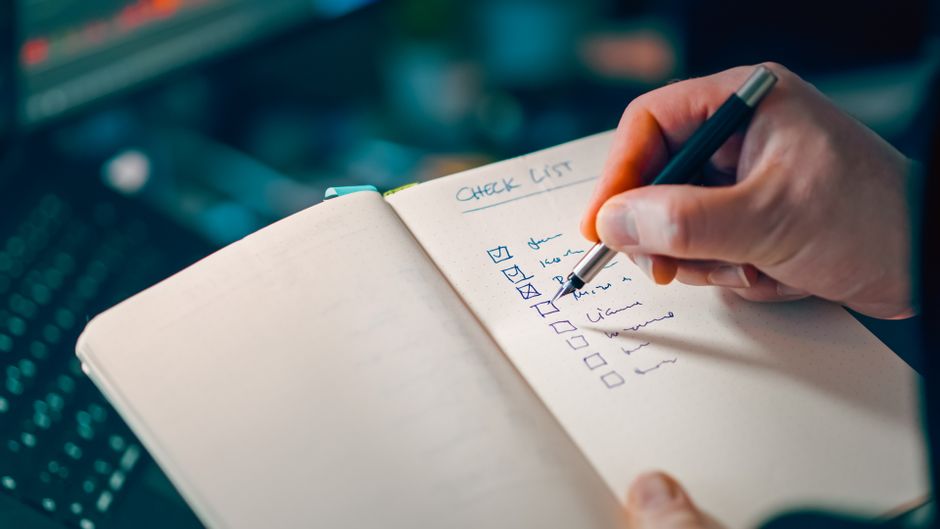
When setting up my desk for a focused block, I arrange my tools and materials neatly, keeping only what I need within reach. This setup minimizes the temptation to switch tasks when I feel my attention waning. I’ll often write down a quick checklist of what I want to accomplish, placing it next to my laptop. If I find myself drifting, I can glance at that list and remind myself of the DIY tasks that need my attention, rather than getting sidetracked by an unexpected email. This practice helps me stay aligned with my workflow habits, but it also highlights the ongoing challenge of balancing focus with the need for occasional task switching.
As I sit at my desk, the task list in front of me looks manageable, yet the reality of task switching looms large. I often notice that the simple act of opening my email can lead to a cascade of distractions, pulling my focus away from the DIY projects I intended to tackle. The challenge lies not just in the tasks themselves but in how I manage my environment during these work sessions.
To better navigate this, I’m considering a new approach: moving administrative tasks to later in the day when my energy dips. This small adjustment could help preserve my focus during peak hours for DIY tasks, allowing me to engage fully without the interruptions of notifications. As I plan my next work session, I’ll ensure my calendar sidebar reflects this shift, reminding me to prioritize hands-on projects first. By making this change, I can better align my workflow habits with the energy I have, addressing the question of why good intentions often falter in the face of distractions.